health
Yale Scientists Identify Protein Pathways in Parkinson's Disease
May 16, 2026
Summary
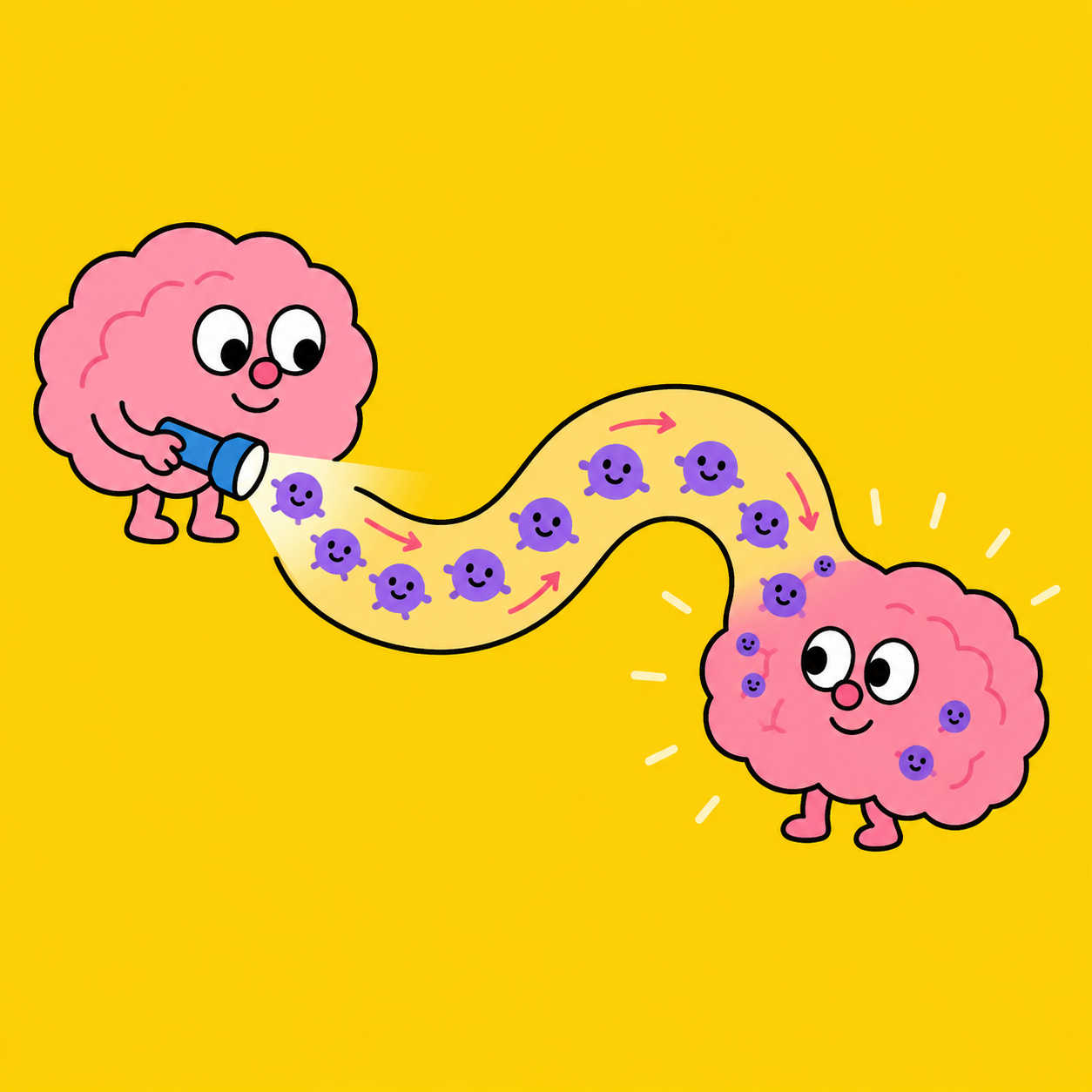
Researchers at Yale School of Medicine discovered two proteins on neuron surfaces that enable Parkinson's disease to spread through the brain. By blocking these proteins in mice, scientists slowed symptom progression and reduced death risk, opening a path toward treatments that could halt or slow the disease in humans.
Advertisement
Quick Facts
- Researchers tested 4,400 cell groups to find proteins that bind misfolded alpha-synuclein
- Two proteins, mGluR4 and NPDC1, were identified as key carriers of the disease protein
- Mice without functional versions of these proteins showed no symptom progression after exposure
Why It Matters
Understanding how Parkinson's spreads may enable doctors to block progression in the 1.1 million Americans living with the disease.